


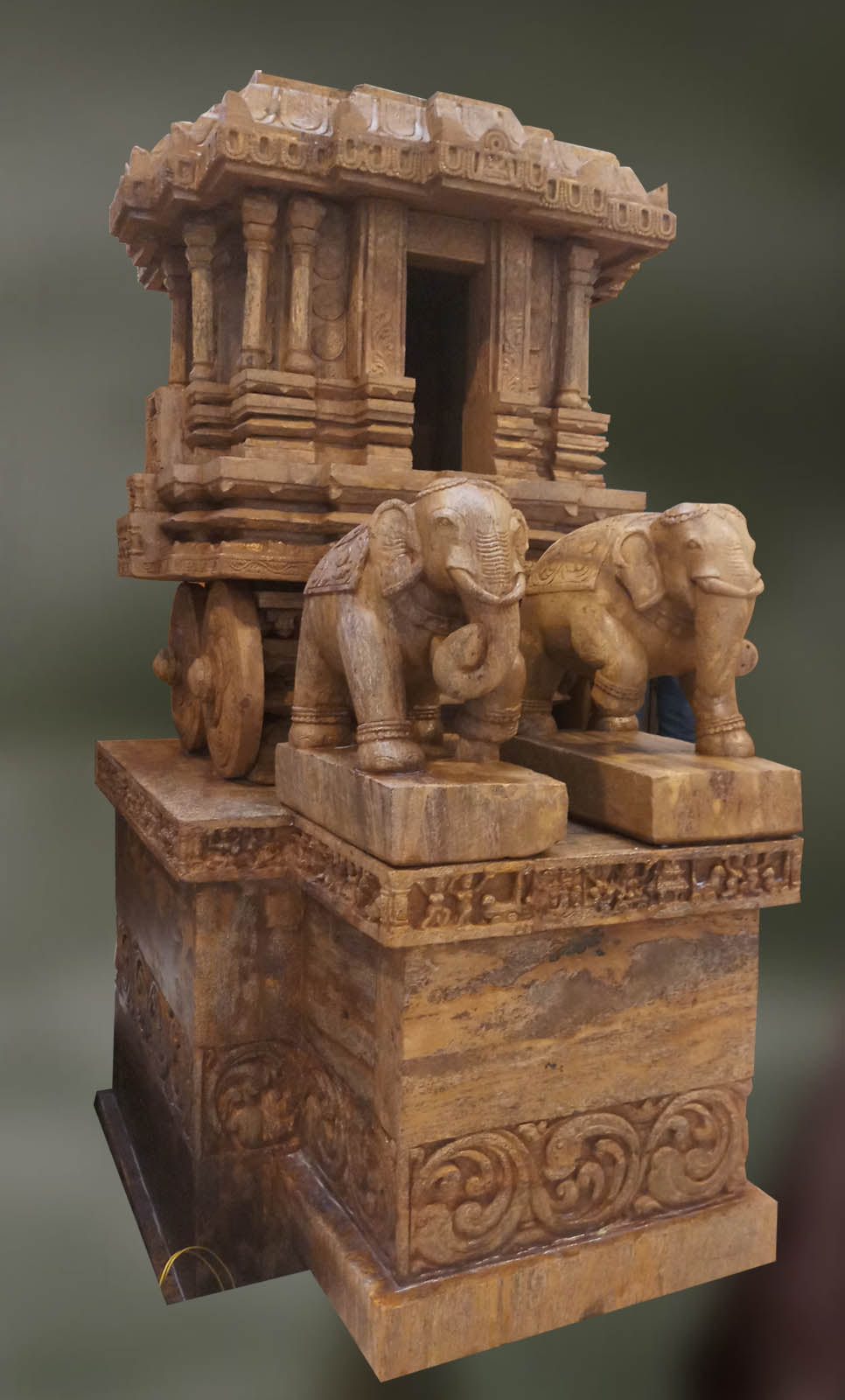
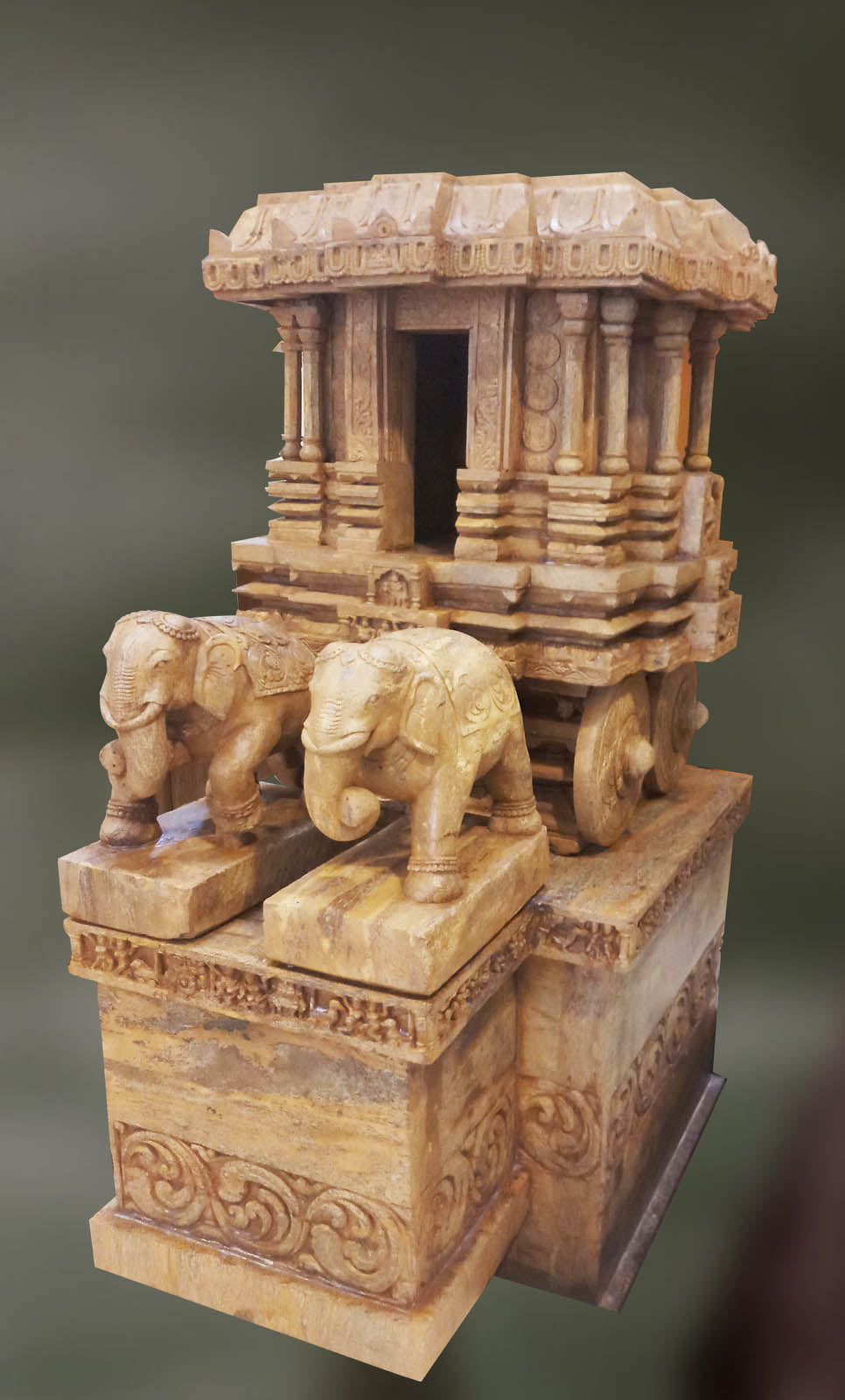
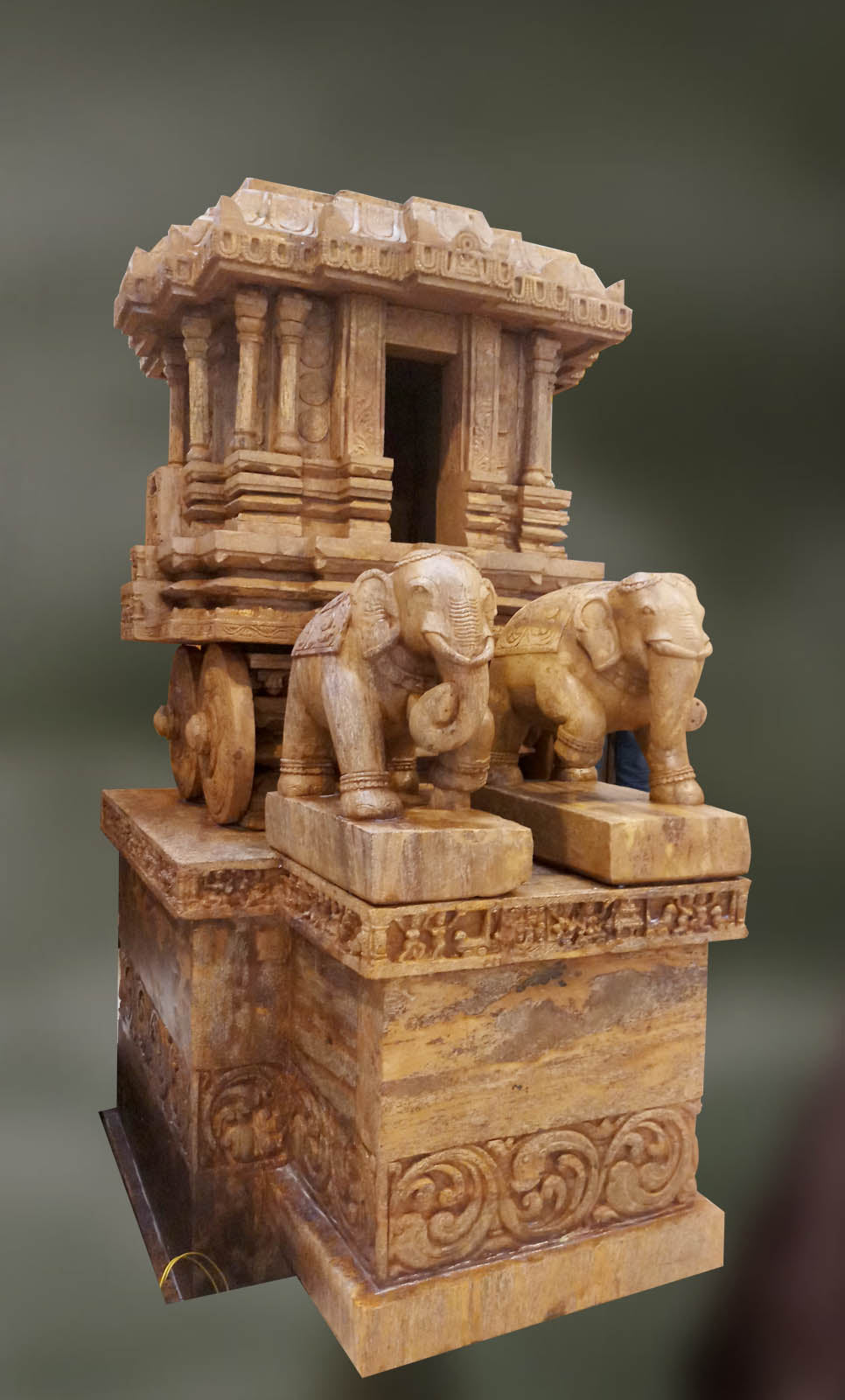
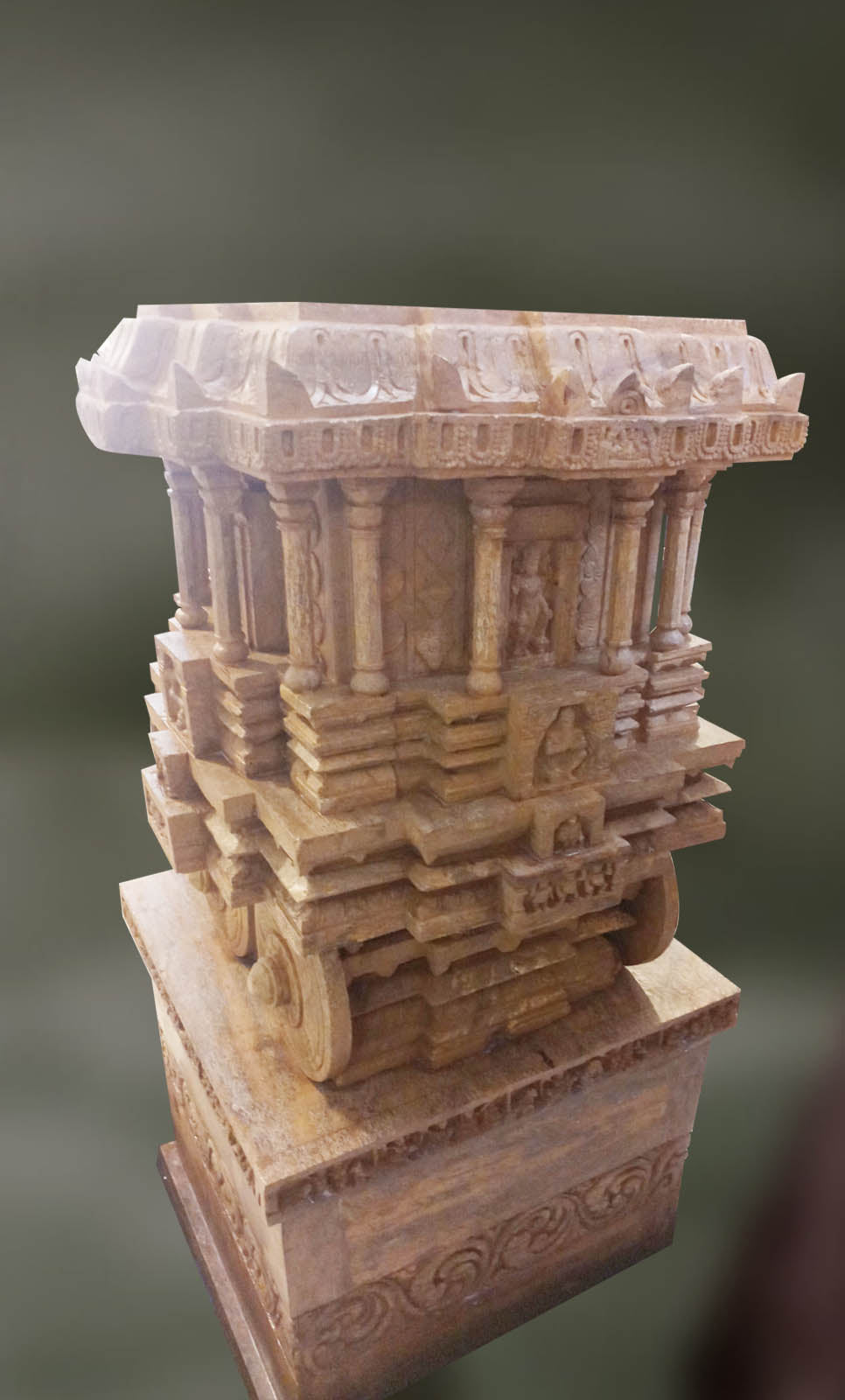
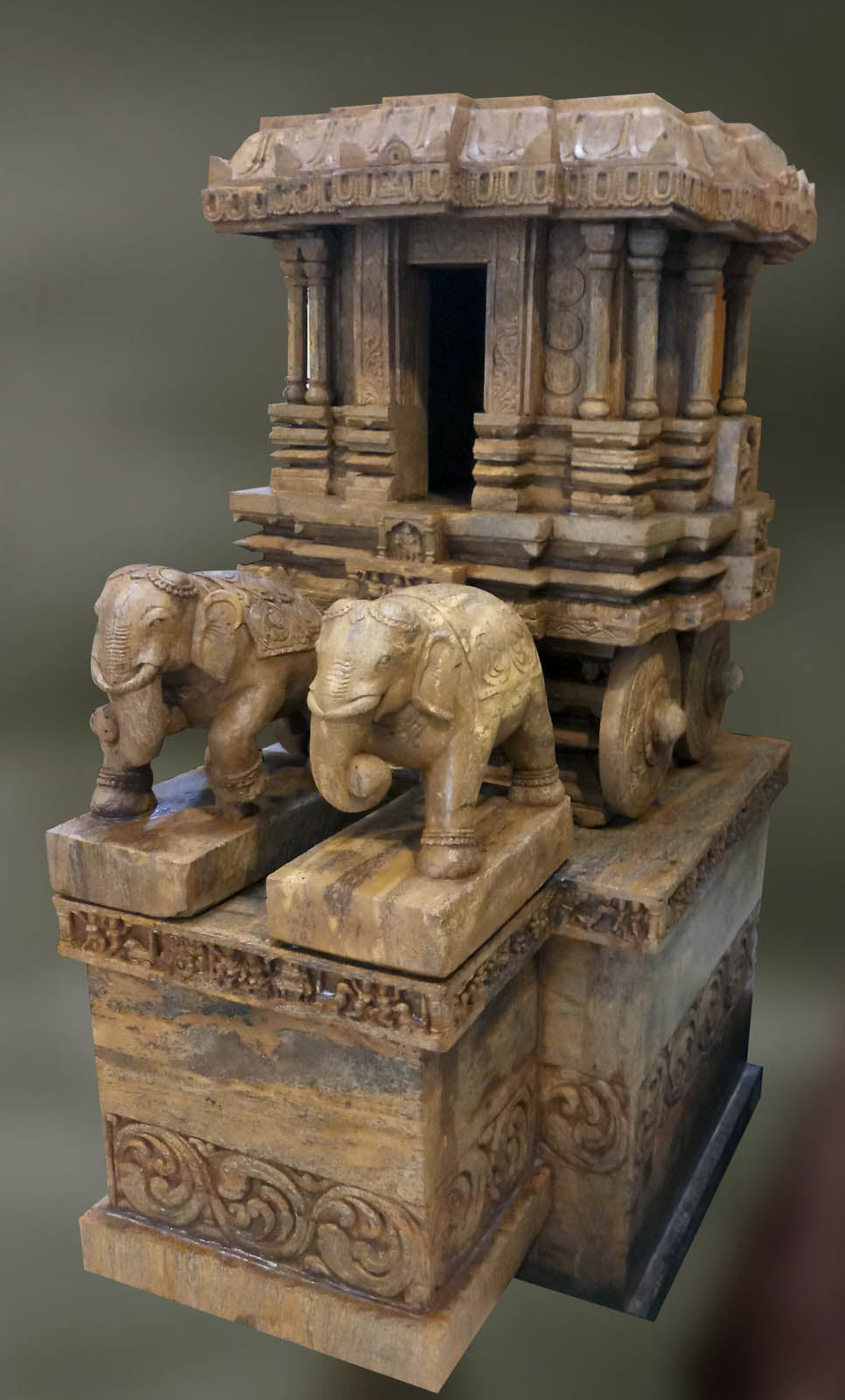
Hampi Chariot: Recreate And Own an Ancient Indian Marvel
Rs. 255,000
This Hampi Stone Chariot is inspired by the iconic temple chariot at the Vittala Temple in Hampi, a 16th-century monument of the Vijayanagara Empire. The Hampi Chariot is in itself a recreation of another Indian masterpiece- the chariot at the Konark temple in Odisha. King Krishnadevaraya commissioned this project as a way to display the precision and grandeur of his Vijayanagara empire. Today, Hampi's many monuments make it a world heritage site, and the chariot is its standout feature. Customize this to a size you need and place it in your masterplan to bring in the erstwhile glory of our land.
What This Sculpture Represents In A Home
Unlike a deity idol meant for ritual worship, the chariot is a sacred architectural symbol.
It functions as a spiritual focal point - grounding the space culturally rather than religiously.
Ideal For
• Entrance foyers of villas & large apartments
• Cultural or heritage themed interiors
• Resorts, retreat centres & hospitality spaces
• Meditation halls and courtyards
• NRI homes wanting an India anchor element
Placement Guidance
• Best placed where it becomes a visual destination — not a shelf object
• Slightly offset from direct door axis (not blocking movement)
• Can face the entrance or open interior space
• Outdoor semi-covered placement also suitable
Related Items

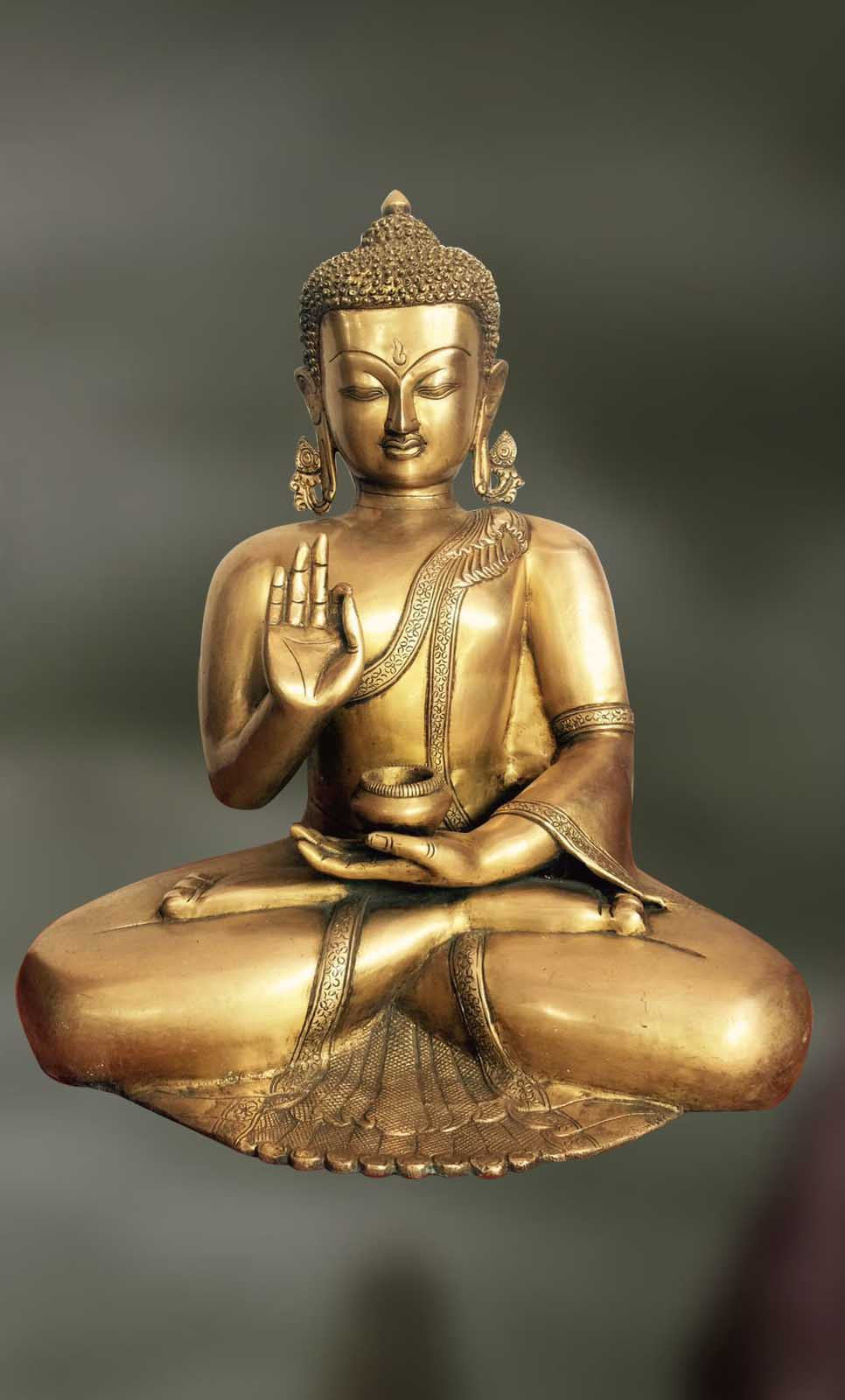
Abhaya Mudra: Gesture of Reassurance
Rs. 39,750
The abhaya mudra symbolizes protection, peace and dispelling of fear (Abhaya in Sanskrit). As per Buddhist texts, the lord had made this gesture upon attaining enlightenment. This was also the gesture made by the god while being attacked by an angry elephant and managing to calm it down. The gesture is made with the right hand raised to shoulder height, arm bent, and palm facing outward. The gesture demonstrates that the hand is empty of weapons and thus indicates friendship and peace. When the right hand is in the abhaya mudra, the left hand usually hangs loosely at the side of the body or makes the varada mudra, or gift-giving gesture.

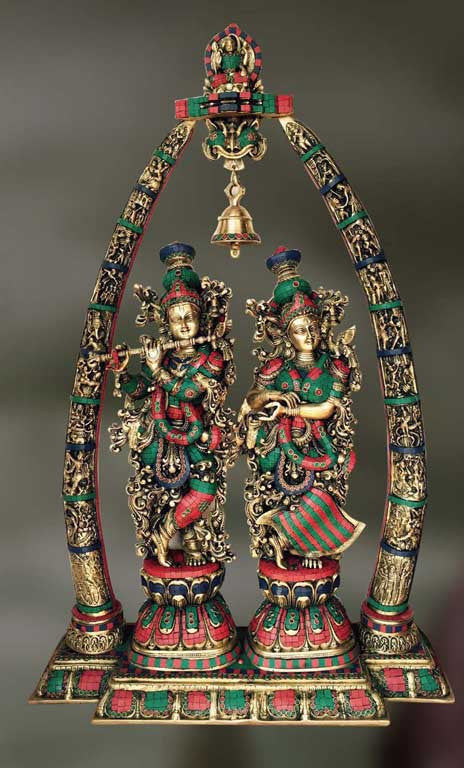
Abhedabhava: The Divine Love
Rs. 148,500
Radha and Krishan even after being separated remain united in soul till eternity. The love of Radha and Krishna is the blissful form of divine regality, an ocean of unlimited divine bliss. Krishna is referred as the Opoornatam purushottam brahmo or the supreme personality of the god. Thus all the forms of god reside within Krishna, where all the forms are absolute and divinely one. This brass-stone carved sculpture in all its magnificence potrays the divine bonding of Radha and Krishna in Gokul.
Spiritual Context: Harmony between individuals.
Ideal For: Couples & relationship healing.
Placement: Bedroom or private living area.
Meaning: Emotional balance and bonding.

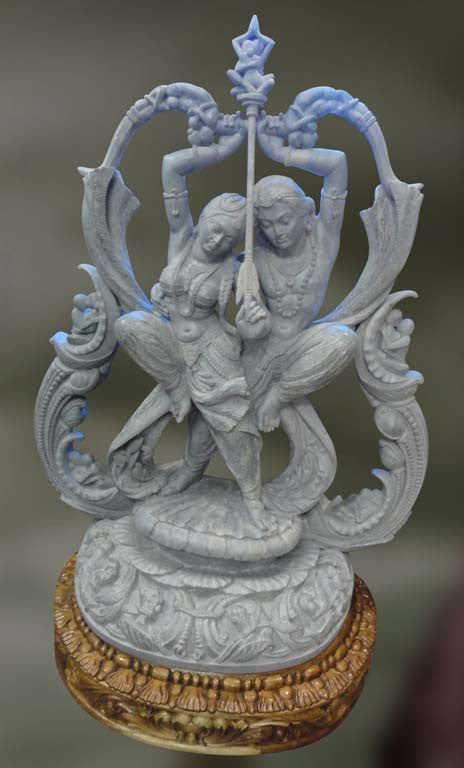
Abhidhyaa: The Desire
Rs. 159,500
Rs. 149,500 (sculpture in wood)
The word Kama, as per Hindu texts directly translates to desire.However, it can be taken to represent varied meaning including desire, passion, longing, love, togetherness etc, and in contemporary contexts, it is more symbolic of sexuality and sexual desire.
This artistically, handcrafted sandstone sculpture depicts Kamadeva as a young, good looking man, with his consort Rathi, the goddess of passion, love and lust. The sculpture symbolizes the relationship between love and lust, as Kama and Rathi together work his love bow, made of sugarcane and honeybees. The intricate craftsmanship and attention to detail is visible in the tautness of the bowstring, the arched back of the two divine beings and the adroit craftsmanship of the arrow of love, representing the five senses. This exquisite sandstone sculpture is durable and makes a perfect addition to your entry or living room decor.
| Dimension | 38 x 25 x 13 inches Customize option is available |
| Medium | Stone or Wood |
© 2026 Artisans Crest.
Copyright © 2016 Ancient Creations Private Limited. All rights reserved.
